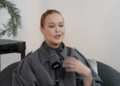

Cultural influence in cosmetic surgery shapes everything from the first consultation to the after care, according to Dr Frank Lin, Specialist Plastic Surgeon. I spoke with Dr Lin on the eve of the Non-Surgical Symposium about how race and cultural heritage affect surgery trends and procedures, why cultural sensitivity matters for safe and satisfying outcomes, and why the old idea of a single golden ratio no longer holds.
We cover the trends he sees among Asian patients, why double eyelid surgery and Asian rhinoplasty are about enhancing features and nothing to do with looking Caucasian, perception drift, the holistic approach to skin quality before and after surgery, how to choose a surgeon, and why he believes regenerative medicine will define the next 20 years of aesthetics.
Listen to the episode
- Listen on Omny
- Ageless Radiance Club on Apple Podcasts
- Ageless Radiance Club on Spotify
- All Ageless Radiance Club podcast episodes
How does culture influence cosmetic surgery decisions?
Dr Lin says cultural background has a huge impact on cosmetic treatment, both on the decision to seek a consultation and on how a surgeon plans the treatment, communicates with the patient and manages after care.
From 1:33 he explains that ten years ago the industry talked about the golden ratio, which he calls a cookie cutter approach that assumes there is one facial or body ideal. He points out that Australia is a very diverse country and that cultural and racial sensitivity matters across the whole industry, from surgeons and cosmetic physicians to dentists, dermatologists and dermal clinicians.
Each culture, each race has its own unique features and also its unique desires and aspirations.
Dr Frank Lin
From 2:34 he lists what changes from one patient to another: the bony structure, the soft tissue and the skin, and practical questions such as how a patient tends to scar, which he says can make a huge difference to the overall outcome. Both of us were clear that “Asian” is far too broad a label. Dr Lin says Asia is hugely diverse, with distinct cultures, celebrities and social media platforms in each country, all influencing one another to some extent.
Do Asian patients prefer non-surgical treatments?
In his practice, Dr Lin says, Asian patients have traditionally shown a stronger preference for non-surgical procedures than age-matched Caucasian patients, and often arrive with a strong baseline knowledge of the treatment options.
From 3:36 he is careful to call this a generalisation, noting that knowledgeable patients exist in every culture. From 6:46 he describes greater cultural acceptance of injectables and energy-based devices in many parts of Asia, and a tendency to start treatments younger. He names Seoul as a trendsetter for the industry.
That early start has a cost, he explains from 11:57. Surgery at 18, before any ageing has happened, means a lifetime ahead and a higher chance of needing revision procedures later. He calls time the fourth dimension that is often overlooked. From 12:58 he says his specialist colleagues in Korea are concerned about patients who started very young and, by midlife, are dealing with puffiness, over-volumisation and scar-related problems. He cited data, already a few years old at the time of recording, suggesting that around 45% of injectable treatments in China were given to patients under 25.
Why are double eyelid surgery and Asian rhinoplasty so common?
Dr Lin says upper eyelid surgery and rhinoplasty are by far the two most common cosmetic operations in Asia, and the same is true in his own practice, with the breast in third place.
From 31:49 he rejects the common claim that these operations are about looking more Caucasian. He compares it to assuming that a Caucasian person who visits a tanning salon wants to look Asian. Patients, he says, want a slightly better version of themselves.
They want to still look like an Asian person, but a beautiful Asian person.
Dr Frank Lin
He explains that many East Asian people do not have a stable supratarsal fold, the crease of the upper eyelid, and the purpose of creating one is to give the impression that the eye is bigger, brighter and has more depth. Because we tend to look at each other’s eyes when we talk, the change affects the overall impression of the face. He describes it as conceptually simple and easy to do badly, comparing it to a steak or fried rice: anyone can make one, yet we pay to go to someone who does it really well.
On rhinoplasty, from 38:06, he says the aim is often the opposite of reductive surgery. In many East Asian noses the bridge lacks height and the tip lacks projection, with thicker skin, so the work is augmentation: creating height and projection and a balance of highlight and shadow. That leads to a conversation about materials, including implants or the patient’s own tissue such as rib cartilage, and he says surgeons vary in how experienced they are with these techniques.
What is perception drift in cosmetic surgery?
Dr Lin describes perception drift as a well studied effect in which our sense of what looks normal or attractive shifts quickly after repeated exposure to a look.
From 21:53 he uses lips as the clearest example. People asked to choose an attractive lip size will pick one, but after being shown many images of very large lips, their choice shifts. He sees the same in plastic surgery, where a new size soon feels normal and the instinct becomes that bigger must be better, which he says is obviously not true.
From 22:56 he explains that a smooth, well volumed facial contour has long been prized in East Asian aesthetics. When he treats the midface in these patients, he avoids adding width to the sides of the face and works on smoothing peaks and troughs in the contour. Patients are also wary of over-filling, he says, and there is even a slang term likening an over-volumised face to steamed buns.
Why does skin quality matter before and after surgery?
Dr Lin says skin is the canvas surgeons work with: the healthier it is, the better the result, and good skin can also help camouflage problems that surgery cannot fully fix.
From 27:37 he says Australian cosmetic plastic surgery is of an extremely high standard globally, yet the one thing we tend to lack compared with parts of Asia is a holistic approach to the whole patient experience. In his practice that means skin care and a range of energy-based platforms before and after the operation, alongside the surgery itself. He says this has existed in Asia for decades.
From 30:14 he adds that some patients, particularly those seeking revision work with scar tissue, cannot achieve a perfect result, and he believes in telling them so honestly, then using skin care and energy treatments to get as close to their goal as possible.
How do you choose a plastic surgeon?
Dr Lin says the first step is to make sure your surgeon is a specialist plastic surgeon, trained through the AMC accredited programme under the Australian Society of Plastic Surgeons and the Royal Australasian College of Surgeons, and the second is to ask the right questions.
From 35:32 he says that wherever you have surgery, including popular destinations overseas, there are excellent specialists alongside less experienced and less qualified practitioners offering the same procedures, and that poor results from overseas can be very difficult to fix. The question patients forget to ask, he says, is what happens if something goes wrong, and who will fix it and how.
A consultation is not complete without a discussion of what happens if things don’t go right.
Dr Frank Lin
From 43:19 he recommends checking membership on the professional society websites, then using the consultation to ask questions without embarrassment. He says most plastic surgeons are approachable, and that patients now often have the chance to speak with the surgeon on more than one occasion. The aim is for patient and surgeon to understand each other until what you expect and what they offer roughly align with reality.
It’s actually much better to ask the question before the surgery takes place.
Dr Frank Lin
On training, from 40:41, he explains that the Australian plastic surgery training programme is well regarded and broad, and that surgeons with an interest in aesthetic surgery may go further. For him that meant several years of fellowship study overseas with surgeons doing a lot of Asian aesthetic surgery, in places such as Japan, Korea, Shanghai and Singapore. He regards Asian aesthetic surgery as a sub-specialty in its own right.
What is the future of aesthetic surgery?
Dr Lin says regenerative medicine is the word that will sum up the next 10 to 20 years, and that it will affect every level of aesthetics, from skin care to non-surgical treatment and surgery.
If you were to ask me what is the one word that will sum up what is to come in the next 10 or 20 years, regenerative would be a very good word to describe that.
Dr Frank Lin
From 17:39 he explains that aesthetic treatment has largely been about camouflaging the visible signs of ageing, while regenerative medicine aims to address ageing at a more cellular level. He says the profession is seeing the cumulative effects of decades of trying to solve every problem with volume. Volume will always have a role, he adds from 19:49, because bone resorption and loss of the deep fat compartments are hallmarks of ageing, but it is no longer the only tool. From 47:33 he expects more research into how autologous products, such as blood, stem cells and fat, influence the ageing process.
Key takeaways
- Cultural and racial sensitivity is central to safe, satisfying cosmetic surgery outcomes.
- There is no single facial ideal; each culture has its own features and aspirations.
- Starting treatments very young can lead to revision procedures and over-volumisation later.
- Double eyelid surgery and Asian rhinoplasty aim to enhance a person’s own features.
- Perception drift can quickly shift what we consider normal or attractive.
- Good skin quality and holistic care before and after surgery improve results.
- Choose a specialist plastic surgeon and always ask what happens if something goes wrong.
- Regenerative medicine, using the body’s own materials, is where Dr Lin sees aesthetics heading.
Episode chapters
- 08:29 The Influence of Asian Culture on Aesthetic Trends
- 28:09 The Importance of Good Skin Quality and a Holistic Approach
- 37:28 Choosing a Surgeon
- 49:02 The Future of Aesthetics
About Dr Frank Lin
Dr Frank Lin is a Specialist Plastic Surgeon with a practice focused on ethnically diverse and Asian patients. He completed several years of further fellowship study in Asian aesthetic surgery overseas, and at the time of recording he was involved in the plastic surgery training curriculum, sat on the scientific advisory committee of the Non-Surgical Symposium, and co-convened its Anatomy for Injectors cadaver dissection course.
For more on this topic, read our episode on cosmetic surgery safety and choosing a qualified surgeon with Dr Amira Sanki.
Read more: The Truth Behind Cosmetic Tourism and New Cosmetic Surgery and Procedure Guidelines in Australia: Stricter Rules Aim to Improve Patient Safety.
This conversation is general information, not medical advice. Speak to your own doctor about your situation.