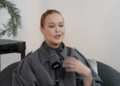
How your diet affects ageing, hormones, skin and energy is the subject of my first conversation with Zoe Bingley-Pullin, one of Australia’s leading experts in nutrition. Zoe is a nutritionist, chef, author, presenter, educator and wellness entrepreneur, the founder of the Sydney nutritional consultancy Nutritional Edge, and spent five years as a co-host on Channel Ten’s Good Chef Bad Chef.
Zoe and I have known each other for years. In this episode she explains why she believes we shine from the inside out, what happens to hormones in perimenopause, the quick wins she gives her clients, what a hormone-friendly day of eating looks like for her, and why self-forgiveness sits at the centre of how she wants to age.
Listen to the episode
- Listen on Omny
- Ageless Radiance Club on Apple Podcasts
- Ageless Radiance Club on Spotify
- All Ageless Radiance Club podcast episodes
Why does nutrition matter for ageing well?
Zoe Bingley-Pullin says we shine from the inside out, and that good nutrition is the foundation that everything else, physical and mental, is built on.
From 1:04 she explains that without that foundation, people tend to circle through one modality after another trying everything.
Her own interest in food started at home. From 4:05 she describes a mother who was a very good cook, and how she lost her way with food when she moved to London to train at Le Cordon Bleu before she had turned 18. She put on 10 kilos. It was working in France that changed her thinking. She describes the French approach as eating to live, with pleasure in every part of a meal, from choosing the produce to sitting at the table. Within six months the weight had gone, even though she was eating more, because none of it was processed.
We’re not children. You can have a chocolate, you can have your wine. It doesn’t mean you’re a bad person.
Zoe Bingley-Pullin
That experience became her philosophy of falling in love with food. She believes food needs a positive slant to work, and that a love-based relationship with cooking and eating is what makes good habits stick.
Which diet is best for hormone health?
Zoe says there is no single diet that suits everyone, because each person’s hormones and health are different, so she looks at the person rather than the diet.
From 8:09 she explains that hormones are governed by the endocrine system, which works through a negative feedback system that is constantly trying to keep things in balance. Popular diets often work brilliantly for a group of people, she says, but they generalise. With her own clients she starts with the basics: their lifestyle, their gut and their liver, since hormones are processed through the liver and kidneys. Only then does she build in nutrients through food and, where appropriate, supplements chosen for that person.
What happens to hormones in perimenopause and menopause?
Zoe says the main change is in oestrogen. Perimenopause is the first stage of oestrogen levels dropping, and menopause brings stronger degrees of change.
From 12:14 she lists the early signs she sees in clinic: slight changes in periods, some flushing, a change in libido and, most often, anxiety. She says many of her clients come to her saying they feel anxious and do not know why. As women move into menopause, she notes, the way the body absorbs calcium and vitamin D changes, which increases the risk of osteoporosis.
Zoe is also a trained counsellor, and from 13:16 she talks about the emotional side. She believes many women experience this change as a loss, of youthfulness or of love for themselves, which can feed anxiety. She works with clients to frame what they are gaining. One technique she uses is what she calls blowing up the balloon: naming an emotion, breathing slowly into it, and picturing it held in a balloon above you while you move through the change.
If we don’t support the mental side of this, it perpetuates all the physiology side of it as well.
Zoe Bingley-Pullin
What are Zoe Bingley-Pullin’s quick wins for hormonal health?
Zoe says insulin is the quickest lever on hormones, so her first step is to take refined carbohydrates out of the diet.
From 15:19 she describes her approach as high in fat and protein, combined with low GI carbohydrates. She has used the glycemic index for years and still sees it as one of the best guides to carbohydrates, because it is about how much you eat, what you eat it with and when, rather than cutting foods such as potatoes out. A slow release of glucose, she says, means you feel better mentally and have steadier energy. She also wants her clients eating a diet high in plant foods.
From 18:25 she makes the case for organisation. Without what she calls good cupboard support and fridge support, it is hard to eat well. Her advice is to learn a few basic meals you can vary by swapping the protein or vegetables, and to write a food plan and shopping list each week.
What does a hormone-friendly day of eating look like?
Zoe starts the day with water and builds each meal around good fats, protein and plants.
- On waking: from 16:50 she suggests 250 to 500 ml of water before leaving the house, often with lemon or lime.
- Breakfast: a chia pudding with hemp seeds, nuts, seeds and fruit. She sometimes adds turmeric, and explains that it needs black pepper and a fat, such as a little coconut oil, to make its active compound, curcumin, available.
- Lunch: from 19:25 she recommends oily fish such as salmon, trout and sardines. Her simple salmon dip combines salmon, coriander, grated carrot and herbs and keeps for a few days in the fridge. She points out that tinned salmon includes soft bones you can mash in, which adds calcium. Lentils or chickpeas make a plant-based alternative, served with a large green salad.
- Dinner: from 22:59 she describes protein and vegetables, such as a sweet potato mash made with olive oil and coconut oil, and a small portion of good quality red meat, about 100 to 150 grams or the size and width of your palm. She favours lamb.
How does Zoe Bingley-Pullin think about the liver, juices and bone broth?
Zoe describes the liver as a remarkably forgiving organ that can regenerate, and says the best way to support it is to stop overloading it with alcohol and a poor diet.
From 24:33 she explains her view that the liver deals first with whatever poses the biggest threat, such as alcohol, so a diet of fresh, unprocessed food leaves it free to do its other work. She includes a bitter food at almost every meal, such as lemon, lime, rocket or chicory.
On detoxes and juice cleanses, from 26:39 she says it depends on the client. She has a cold-pressed juice every day and likes orange vegetables rich in beta-carotene, which she links to the vitamin A the skin needs for collagen and elastin. Celery juice is not for her. She is also a fan of bone broth, with a chef’s caveat.
When we studied at Le Cordon Bleu cooking school, what everyone calls bone broth, we call stock.
Zoe Bingley-Pullin
How does alcohol affect hormones and skin?
Zoe says alcohol is a real problem for hormonal health and skin, because it dehydrates the body’s tissues and puts extra load on the liver.
From 29:43 she says that when the body is dehydrated, the stress response rises and cells retain fluid, which makes them work less well. She notes that we now know there is no safe amount of alcohol, and refers to the guideline of no more than ten standard drinks a week, where a standard glass of wine is about 100 ml. She did three months without alcohol and found it valuable for understanding how normalised drinking has become. Her wider point is that stress, a poor diet, alcohol and coffee can each sit within the guidelines and still add up.
What does ageless mean to Zoe Bingley-Pullin?
For Zoe, ageing well starts with self-forgiveness and a positive inner dialogue, alongside movement she adjusts to her body and hormones.
From 33:18 she talks openly about living with anxiety and the work she has done to be kinder to herself. When she manages that, she says, she feels ageless, more in touch with her daughter and better able to understand her own mother.
Her training has changed too. From 34:51 she explains that she used to chase the burn and sweat. Now she limits her most intense session, a hot Pilates class, to twice a week, and fills the rest of her week with walking, hot yoga and yin yoga, moving every day. She also learned transcendental meditation and says she can now drop into a meditative state much faster. For her skin, she drinks plenty of water, relies on nutrition first, and moves between clinical and natural skincare depending on the season, needing richer, more nourishing products in winter.
Key takeaways
- Zoe Bingley-Pullin believes good nutrition is the foundation for looking and feeling well with age.
- She looks at the individual, including their gut, liver and lifestyle, rather than prescribing one diet.
- Anxiety is the perimenopause symptom she sees most often in clinic, and she says supporting mental health matters as much as diet.
- Her first quick win is cutting refined carbohydrates and choosing low GI carbohydrates with fat and protein.
- Oily fish, chia, hemp seeds, nuts, legumes and bitter greens feature throughout her day.
- She says there is no safe amount of alcohol and that small habits add up on the liver.
- Self-forgiveness, she says, is the basis of feeling ageless.
About Zoe Bingley-Pullin
Zoe Bingley-Pullin is one of Australia’s leading experts in nutrition: a nutritionist, chef, author, presenter, educator and wellness entrepreneur. She is the founder of the Sydney nutritional consultancy Nutritional Edge, a business focused on achievable and sustainable eating habits. She trained at Le Cordon Bleu, has released two cookbooks, was Food Editor for Fitness First Magazine, contributes to online and print magazines, and was a co-host of Channel Ten’s Good Chef Bad Chef.
Zoe returned to the podcast in 2024 to talk about eating for hormone health in perimenopause and menopause. For more from Zoe, read her five ways to eat your way to better skin.
Read more: The Skincare, Supplements, and Nutrients That Will ACTUALLY Give You Healthy, Glowing Skin and Boost and Protect Collagen Through What You Eat For Healthy, Youthful Skin.
This conversation is general information, not medical advice. Speak to your own doctor about your situation.