
Disclosure: This episode was made in paid partnership with WiQo.
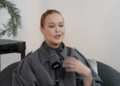
Needle-free biorevitalisation, the treatment nicknamed the “unicorn facial”, is the subject of this conversation with Dr Zunaid Alli, a medical aesthetics practitioner and global trainer based in Harley Street, London, who practises in Kent and Surrey. Originally from South Africa, where he completed his undergraduate and post-qualification medical training, Dr Alli is an advanced medical aesthetics practitioner and an active contributor to continuing medical education in aesthetic medicine.
I invited Dr Alli on the show after we met in Sydney, because so many of you asked me about options for people who are reluctant to try fillers and other injectables. We talked about how biorevitalisation works with and without needles, who it suits, how it behaves on skin of colour, and the aftercare rules that matter.
Listen to the episode
- Listen on Omny
- Ageless Radiance Club on Apple Podcasts
- Ageless Radiance Club on Spotify
- All Ageless Radiance Club podcast episodes
What is skin biorevitalisation?
Dr Zunaid Alli describes biorevitalisation as a series of small, controlled kick-starts to the skin’s collagen and elastin, delivered either from the inside with needles or from the outside on the surface of the skin.
From 2:17 he divides it into two groups. Endo-biorevitalisation works from within: skin boosters, mesotherapy and microneedling all sit under that banner. They go deeper, involve needles and can mean some downtime. Exo-biorevitalisation is applied to the surface of the skin, and he says very few products in this category have clinical evidence behind them.
From 5:48 he explains the principle. By slightly injuring the skin in a way that causes no collateral damage, a treatment jump-starts collagen production, and a course of treatments builds a cumulative benefit. Skin boosters, he adds from 7:25, are different from dermal fillers: they are not there to add volume, and each brand has its own mix, from vitamins, minerals and amino acids to a high dose of hyaluronic acid.
When should you start caring for your skin medically?
Dr Alli says collagen and elastin start to decline from around 27, even though most of us look in the mirror at 30, 35 or 45 and think we are doing fine, so that is the stage to take a medical-grade skin regimen seriously.
The first thing at the top of your list is not the moisturiser, it’s SPF.
Dr Zunaid Alli
From 4:18 he explains that sun protection should manage UVA, UVB and blue light, and that clinic treatments and medical-grade facials come after that foundation.
How does a needle-free biorevitalisation treatment work?
Dr Alli explains that the treatment we discussed is a gel combining several acids with a very low concentration of hydrogen peroxide, massaged firmly into the skin so that it reaches the upper layer of the dermis and stimulates the cells that make collagen.
From 18:56 he describes it working at several levels. Some of the acids carry the product through the five layers of the epidermis; once it reaches the papillary dermis, a mild chemical injury stimulates fibroblasts to produce collagen and elastin. He says the hydrogen peroxide is there to protect the top layer of skin from shedding too much, which is why the treatment is designed to avoid peeling and flaking. He puts the concentration in context: up to 0.3% in this product, compared with at least 20% in hair-lightening products.
From 28:25 he walks through the procedure. The skin is checked first for cold sores or broken areas, then double cleansed and prepared with a toner-like pre-treatment solution. A needle is used only to draw the gel out of its glass vial and never touches the patient. The gel is applied in layers from the forehead down, with a very firm massage that he compares to lymphatic drainage with far more pressure. The friction brings mild redness and opens blood vessels, which helps the product in. The excess is wiped off with plain water, followed by a rich moisturiser. The application takes around 15 to 20 minutes.
He says he advises a course of at least five sessions, no more than three weeks apart.
Who is needle-free biorevitalisation suited to?
Dr Alli says the biggest group he sees for this kind of treatment is women going through menopause, along with people who want brighter, firmer skin without needles or time off work.
By far the biggest group that I see are women who are starting to go through their change of life.
Dr Zunaid Alli
From 14:37 he describes his patients aged 60 and over who do not want fillers or a facelift but would like a visible, realistic improvement, often after seeing a friend’s results. From 16:46 he says people in their thirties to mid-forties are the generation for whom aesthetic medicine has become mainstream. He also treats busy executives, mothers and men; from 45:31 he explains that a short beard of about three millimetres still allows the product to reach the skin, while a thick beard does not.
He is clear that this is a general rejuvenation treatment. From 12:25 he says that if he were treating a specific condition such as melasma, he would not necessarily choose it. And he applies a simple test to any product he uses.
If it doesn’t work for a large number of patients, you’ve got a problem with the product.
Dr Zunaid Alli
Is biorevitalisation suitable for skin of colour?
Dr Alli says the appeal for skin of colour is a more even, brighter tone, because darker skin tends to respond to injury with pigmentation.
From 23:30 he explains that patients with Fitzpatrick skin types three to six often heal with hyperpigmentation, so breakouts can leave dark marks and patches. From 48:22 he says this is why brightening treatments are popular with South Asian and East Asian patients, and he corrects a common misconception about what they want.
It’s not really about being whiter, it’s more about being brighter.
Dr Zunaid Alli
What aftercare does an acid-based skin treatment need?
Dr Alli’s main rule is not to touch the skin for six hours after treatment, then to protect it with a physical SPF 50 for at least a week and throughout the course.
From 50:41 he says patients with a late appointment can simply sleep with the product on and resume their normal routine the next day. If you are also having filler, he advises waiting at least two weeks after the filler before this kind of treatment, because the firm massage could shift product that has not settled, and he asks patients to tell their therapist about any other treatments.
From 53:13 he says to stop retinol and vitamin C serums one week before and restart them one week after, because retinol can irritate and vitamin C lowers the skin’s pH, leaving it more vulnerable when an acid is applied. From 38:03 he gives a wider rule of thumb about pH: healthy skin sits at about 5.5, and anything with a lower pH acidifies the skin, acting as a small stimulus that prompts healing and repair, so what that product contains matters.
Can needle-free biorevitalisation be combined with microneedling?
Dr Alli says the most popular combination in his clinic pairs the surface treatment with microneedling, working from the outside and the inside in one session.
From 41:53 he explains that the gel is applied first as a primer, followed by a single pass with a microneedling pen, roller or stamp, for what he calls a “double bubble” collagen effect. He uses this for texture, including acne and chickenpox scarring. He points out that once a second modality is added, the no-downtime profile changes: expect some redness and flaking, which come from the added treatment.
Key takeaways
- Dr Alli divides biorevitalisation into treatments with needles (skin boosters, mesotherapy, microneedling) and treatments applied to the skin’s surface.
- He says collagen and elastin decline from around 27, and SPF comes before anything else.
- The needle-free treatment he describes uses acids and a low concentration of hydrogen peroxide, massaged in firmly in layers, over a course of at least five sessions.
- Women in menopause are the largest group he treats; it is a general rejuvenation treatment, not his choice for a specific condition such as melasma.
- For skin of colour, the goal is brighter and more even, not whiter.
- Aftercare: no touching for six hours, physical SPF 50, and a pause on retinol and vitamin C for a week either side.
Episode chapters
- 00:00 Welcome and introduction
- 02:14 What is biorevitalisation?
- 03:48 The right time for skin intervention
- 05:27 Benefits of biorevitalisation
- 06:37 Visible benefits of biorevitalisation
- 09:34 How did Dr Zunaid discover the treatment?
- 13:25 Age and skin type
- 17:47 The ingredients that create the results
- 18:54 The science behind the unicorn facial
- 22:03 Indications for recommending biorevitalisation
- 23:58 Hyperpigmentation
- 27:07 Hard to treat skin areas
- 28:11 The unicorn facial procedure
- 32:06 Recommended interval time
- 39:26 Skin pH balance
- 40:43 Complementary procedures
- 47:58 Treating Asian skin
- 50:23 Post-procedure dos and don’ts
- 52:57 Using retinol along with the treatment
About Dr Zunaid Alli
Dr Zunaid Alli is a medical aesthetics practitioner and global trainer based in Harley Street, London, who practises in Kent and Surrey. Originally from South Africa, where he completed his undergraduate and post-qualification medical training, he is an advanced medical aesthetics practitioner committed to evidence-based treatments and an active contributor to continuing medical education in aesthetic medicine.
For more on the needle-based side of collagen induction, read Dr Nina Wines on everything you need to know about microneedling.
Read more: The Skinbooster Treatment Our Editor Swears By and Stay Hydrated and Glowing This Winter: Meet the Science-Backed Heroes of Dry Skin Care.
This conversation is general information, not medical advice. Speak to your own doctor about your situation.