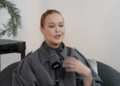
Performance medicine and longevity are the focus of my conversation with Dr Harry Weisinger, an internationally recognised medical practitioner, optometrist, scientist and university professor. His research experience spans over 25 years across themes covering the effects of nutrition and dietary manipulation on eye health, as well as the regulation of blood pressure, body weight and body fat, and he sees patients in his own private health and high-performance clinic in Melbourne.
Dr Harry shares the health history that pushed him to practise what he had studied, then walks through the levers he uses with patients: sleep, diet, intermittent fasting, exercise and a healthy scepticism about anything that promises a shortcut. Our conversation about inflammation, epigenetics and supplements has its own page: Inflammation and Ageing: Dr Harry Weisinger.
Listen to the episode
- Listen on Omny
- Ageless Radiance Club on Apple Podcasts
- Ageless Radiance Club on Spotify
- All Ageless Radiance Club podcast episodes
Why did a doctor with a PhD in nutrition have to rethink his own health?
Dr Harry Weisinger says he knew a great deal about health from years of study, but had not put much of it into practice until a run of serious illnesses forced the issue around the age of 40.
From 2:34 he describes being diagnosed with Crohn’s disease, an inflammatory bowel disease, at 18, which disrupted his university years with hospital stays, strong medication and surgery. In his thirties he had a hip replacement and treatment for non-Hodgkin’s lymphoma, and at 39 he had a stent placed in his right coronary artery. By 40, he says, his list included autoimmune disease, chronic arthritis, cancer and cardiovascular disease, and he decided he had better do something about it.
He is candid that medicine, as a system, is better at rescue than at prevention. A hip replacement is a fantastic option once severe osteoarthritis has set in, he says, but for prevention, wellness and longevity, medicine is probably not the place to start.
The medical system, as you’re probably aware, isn’t really set up for prevention and wellness. It works much better when things have gone bad, when it’s a bit too late.
Dr Harry Weisinger
How can you change your health trajectory as you age?
Dr Weisinger says your genetics and your environment combine to set a trajectory for how long and how well you are likely to live, and that some factors pull that trajectory down while others lift it.
From 15:48 he explains the idea with an analogy from baseball, his other passion. Early in the season a team projects how many games it will win by the end, and that projection shifts with what happens along the way. He sees lifespan and wellness the same way. With average life expectancy in Australia around 80 to 85, depending on whether you are a man or a woman, he says some things will stop you reaching the average and others can extend both longevity and wellness.
Among the factors he names that shorten life are loneliness, which he calls a massive factor, chronically high cortisol, chronic inflammation, and sleeping too little. Genetics you cannot change, he says, but lifestyle, which probably exerts its influence through epigenetics, is the easiest lever to pull, though not always easy from a motivational point of view.
Your genetics and your environment basically combine to give you a trajectory of how long and how well you’re going to live.
Dr Harry Weisinger
How much sleep do you need for longevity?
Dr Weisinger says sleeping between seven and eight hours gives a much better outcome than sleeping less than seven, affecting how we look, feel and think as well as our susceptibility to cardiovascular disease, stroke, diabetes and neurodegenerative disease.
From 21:26 he explains that the most common reason his patients are sleep deprived is simple arithmetic. If he is in bed for eight hours, he says, he will get about seven hours of actual sleep once tossing and turning is accounted for, so the first step is to make sure there is a genuine eight hour opportunity. After that come the basics: a cool, dark room and soundproofing if needed.
You can’t go to bed at midnight, set your alarm at six and get eight hours of sleep. It’s not possible.
Dr Harry Weisinger
Which diet does a performance medicine doctor recommend for weight loss and longevity?
Dr Weisinger, whose clinic specialises in weight loss and longevity, says diet is the biggest thing most people can change, and that at a basic level he believes everyone can benefit from some carbohydrate restriction, calorie restriction and fasting.
From 23:16 he points to studies showing benefits of calorie restriction for longevity. He describes himself as a big proponent of a ketogenic diet used in bursts, such as a two to three month block, and calls intermittent fasting a brilliant tool. In his experience some people do better on a ketogenic diet and others on an intermittent fasting programme, and the right approach varies from person to person.
I asked whether he uses genetic testing to choose a diet. From 25:04 he says he does not, because he would not know what to do with the results, and he does not believe it would add much to his patients’ success. For the athletes he sees, he adds, there is a trade-off: restrict carbohydrates too far and endurance or power performance suffers, so the plan has to balance performance against weight loss.
How much exercise do you need to get the longevity benefits?
Dr Weisinger says it does not take a lot of exercise to get the benefits for wellness and longevity, and suggests around 30 minutes a day of zone 2 exercise, with more being better.
From 27:42 he explains that zone 2 is more than walking. You need to add some hills and be puffing a bit while still able to talk, which he calls the best guide. At the time of recording, aged 50, he said he reaches zone 2 at a heart rate of around 128 to 130, when he can still talk to the person riding next to him. He links this kind of exercise to autophagy, which he describes as the body’s way of recycling material when it is put under a little stress, turning over dead and dying cells and frayed mitochondria.
He also recalls that, during his psychiatry rotations, the professor in the department was a strong advocate of exercise for mood, while acknowledging that it is hard to get motivated to exercise when your mood is low.
It doesn’t take a lot of exercise to get the full benefit that exercise can provide in terms of wellness and longevity.
Dr Harry Weisinger
Do nootropics and mushroom supplements work for brain fog?
Dr Weisinger says he is interested in nootropics and has tried several himself, including chaga mushrooms, but has not personally felt much of a change.
From 31:00 he draws a clear line between his own experiments and his advice to patients. What he recommends to patients must be evidence based, with safety and tolerability data and a net benefit across the studies. For himself, he admits the bar is much lower. He is watching the research but notes that clear thinking is hard to measure, which makes these studies difficult to run.
There is a difference between what I do for myself and what I recommend for my patients.
Dr Harry Weisinger
Key takeaways
- Dr Weisinger came to prevention through his own illnesses, including Crohn’s disease, lymphoma and heart disease before 40.
- He sees genetics and environment as setting a trajectory that lifestyle can shift up or down.
- Loneliness, chronically high cortisol, chronic inflammation and short sleep are the factors he flags as shortening life.
- Give yourself a genuine eight hours in bed to get seven hours of sleep.
- He favours some carbohydrate and calorie restriction, intermittent fasting, and ketogenic eating in short blocks, tailored to the person.
- Around 30 minutes a day of zone 2 exercise, puffing but able to talk, is his baseline.
- He holds patient advice to an evidence standard, and is cautious about nootropics.
Episode chapters
- 00:00 Welcome to Ageless by Rescu, Dr Harry Weisinger
- 03:00 Health Journey
- 07:25 Inflammation and How Does it Affect the Ageing Process
- 17:00 Ways to Reduce Ageing and Live Better
- 26:10 Weight Loss Diagnosis
About Dr Harry Weisinger
Dr Harry Weisinger is an internationally recognised medical practitioner, optometrist, scientist and university professor. He graduated from the University of Melbourne with a Bachelor of Science in Optometry and went on to complete a Master of Science in Optometry and a PhD in nutrition and neural development. He undertook post-doctoral fellowships in Experimental Physiology and Medicine, the National Institutes of Health (USA) and the Department of Food Science at RMIT University, and completed a Bachelor of Medicine, Bachelor of Surgery. He co-founded the Australian plant-based supplement company Truth Origins and sees patients in his own private health and high-performance clinic in Melbourne.
Dr Weisinger also explains inflammation, epigenetics and his view on supplements in Inflammation and Ageing: Dr Harry Weisinger. For more on staying active as you age, read our article on why staying active matters more than weight for longevity.
Read more: Sleep Well, Protect Your Brain and The Longevity Diet: Key Superfoods For a Long, Healthy Life.
This conversation is general information, not medical advice. Speak to your own doctor about your situation.