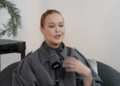
Sally Obermeder’s health transformation, from daily walks to the way she eats, dresses and rests, is the heart of this conversation. Sally is the much loved media personality, cancer survivor and co-founder of SWIISH Wellness with her sister Maha Corbett, and having spent much of the past decade in the spotlight juggling a huge career, cancer recovery, marriage, business and motherhood, the pandemic gave her the chance to pause and reset.
Sally and I have been friends for years, so this is an open conversation. She explains how a simple 30 minute walk changed her fitness after an all or nothing past, how she approaches menopause, why she keeps an eye on her mental state as closely as her blood tests, and why colour came back into her wardrobe. In her interview with Ageless Magazine issue two, Sally told us: “Feeling ageless and looking ageless are intrinsically linked because you feel better when your body functions seamlessly. And when you feel better, you look better.”
Listen to the episode
- Listen on Omny
- Ageless Radiance Club on Apple Podcasts
- Ageless Radiance Club on Spotify
- All Ageless Radiance Club podcast episodes
How did Sally Obermeder get fit again after years of all or nothing?
Sally Obermeder says she got fit by walking for 20 minutes a day, building to 30, after years of setting extreme goals she never kept. She describes herself as an all or nothing personality, a trait she says serves her well in many areas of life and has always failed her with exercise.
From 12:07 she explains what prompted the change. Her fitness had slipped, she found she lacked the stamina for simple outings, and with two young daughters she did not want to be the parent who stayed home. Her usual approach would have been to buy all the gear, join several gyms and plan to train at 4am every day. Instead, from 14:47, she took a leaf out of her husband Marcus’s book. He had committed to half an hour a day the year before, and she admits she scoffed, until she watched what a year of slow and steady effort did for him.
I just want to be a bit fitter and I want to be a bit healthier… I don’t want them to outrun me.
Sally Obermeder
The gyms were shut during the pandemic, which she now calls a blessing, because it took away the extras she naturally leans towards. She walked out of her front door with an audiobook or a podcast in her ear, and from 16:26 she explains that the time became mentally valuable too. After a crowded decade that included pregnancy, cancer, two years working towards a baby via surrogate, building a business and raising young children, the daily walk was where she caught her breath. Sally also points out, from 13:44, that she did not grow up sporty, although she later worked as a Pilates instructor and personal trainer while trying to get into television, and that exercise is always the first thing to go for her.
Was Sally Obermeder’s 22 kilo weight loss a diet?
Sally says it was never a weight loss mission, and she is firm that we are not our weight. Over the course of her reset she lost 22 kilos, but she frames it around fitness, energy and how she feels.
We are not our weight, and I say this all the time. We are who we are on the inside.
Sally Obermeder
From 33:39 she describes the changes she did make. She stopped eating her daughters’ leftovers on top of her own meals, a habit she traces to growing up in a household where waste was frowned upon. As a self-described emotional eater, she now pauses when she heads to the fridge and asks what she actually feels: she might walk around the block, ring a friend or lie on the couch for half an hour first. If she still wants the chocolate after that, she has it.
Nothing’s off limits, because for me, as soon as it’s off limits, I become crazy.
Sally Obermeder
From 35:48 she explains that she stopped counting calories, kilojoules or macros because numbers do not work for her. Instead she thinks about food like a daily travel budget in your 20s: if a long dinner with pasta, bread and wine is coming, she has a lighter breakfast and lunch and enjoys the dinner. The bigger shift, she says from 36:54, was that she gave herself some thought and stopped being an afterthought, which she believes happens to many women who are busy looking after everyone else.
How does Sally Obermeder approach menopause?
Sally says menopause asks you to work out what this period of your life requires, rather than throwing your hands up. She went into menopause not long after finishing her cancer treatment.
From 18:39 she lists what she believes this stage calls for: eating well without yo-yo dieting or starving yourself, supplementing, moving, and doing weight-based training to compensate for the loss of muscle. Above all, she says, you have to keep monitoring. What worked last year may not work now, and that does not mean you have failed. She compares it to checking the pantry before you write a shopping list: look at what has changed and what you need now.
On supplements, from 23:59 she says she tells people not to buy everything. Her advice is to ask yourself which areas you are genuinely struggling with, and she adjusts what she takes as her needs change, for example only taking something for sleep during periods when her sleep is poor.
What health checks does Sally Obermeder do after cancer?
Sally has blood tests once a year, and says the thing she monitors most closely is her mental state. Ten years on from her cancer diagnosis, she explains, it is easy to be triggered into over-monitoring out of fear.
From 19:44 she says her annual blood tests let her check markers such as iron and B12. From 20:16 she describes the harder work: accepting the limits of control. She focuses on what she can do, which is eating well, supplementing, sleeping, having fun and getting support when she needs it, while making sure fear does not take over.
I have to accept I don’t, I have some control, I don’t have all control.
Sally Obermeder
If you control too much, she says, you can end up ruining your life, when the point is that you are lucky to be here. Earlier, from 7:18, she reflects on how public her cancer experience was. She was pregnant when diagnosed, and the goodwill of strangers who did not owe her anything, she says, was a gift.
Why is Sally Obermeder wearing more colour?
Sally says the colour in her wardrobe is a subconscious choice that reflects how happy she feels. She loves colour, and after a couple of years in activewear during the pandemic she is wearing what makes her happy.
From 38:29 she admits a small part of anyone who has spent years in the public eye worries about the critics who comment on what they wear. More and more, though, she sees it as play.
I mean it’s fashion, it’s just a little bit of fun.
Sally Obermeder
From 40:38 she talks about her daughters, then aged ten and five, and how much joy they take in dressing up. Her rule for them is the same as for herself: wear what makes you happy, even if that means three skirts and leggings or a tutu on your head. From 44:56 we also talk about unsolicited comments on women’s bodies. When someone commented that she looked too thin, Sally asked whether they would ever tell anyone they looked too large, and suggested the answer should be the same.
Why does Sally Obermeder take guilt-free rest days?
Sally says she rests before she hits burnout, a habit she traces to her cancer experience, and she does it with no guilt.
From 47:34 we talk about a weekend she spent an entire day in bed after a very big year of work. What mattered to her, she says, is that she was not sick: she simply recognised that she was tired and needed a rest day. From 49:48 she explains that she shares both sides on social media, the 3am work nights and the rest days, because she would rather be honest than please everybody. She loves to work and stay active, she says, and she wants to honour her body by resting so it never runs empty.
What are Sally Obermeder’s beauty treatments?
Sally’s routine combines facials, skin needling, active skincare, sheet masks and LED light therapy. She says she has not had cosmetic surgery or aesthetic procedures, though she would never say never.
From 53:36 she lists what she loves. She enjoys facials and especially Dermapen, a skin needling treatment. At home she uses vitamin A and vitamin C actives and moisturiser, and a sheet mask on around three days out of seven, because she noticed her skin became drier during a busy work period when she was not sleeping enough. She also uses an LED mask and says it works for her.
From 59:33 she explains that she had a double mastectomy and reconstruction, and that although she sometimes considers a breast lift, after so much time in hospital she is reluctant to choose surgery voluntarily for now.
Key takeaways
- Sally rebuilt her fitness with a daily 20 to 30 minute walk after years of all or nothing exercise plans.
- She frames her 22 kilo weight loss around energy and fitness, and says we are not our weight.
- Stopping the kids’ leftovers and pausing before emotional eating made a difference; nothing is off limits.
- She thinks about daily food like a budget instead of counting calories.
- In menopause she focuses on eating well, moving, weight-based training and regular monitoring.
- After cancer, she monitors her mental state as closely as her annual blood tests.
- Colour and fun in fashion are a reflection of feeling happy.
- Guilt-free rest days are part of how she avoids burnout.
About Sally Obermeder
Sally Obermeder is the much loved media personality, cancer survivor and co-founder of SWIISH Wellness with her sister Maha Corbett. SWIISH is considered one of Australia’s leading wellness and beauty brands. Long before wellness had become a trend, Sally and Maha set out to help others feel vibrant, confident and passionate about who they choose to be.
For more from Sally, read our earlier interview on Sally Obermeder’s beauty tips and favourite makeup products.
Read more: Healthy Living: Benefits of Walking and Why Exercise before Menopause Optimises your Health in Later Years.
This conversation is general information, not medical advice. Speak to your own doctor about your situation.