
Disclosure: Bahar’s stay at Kamalaya was hosted by the resort.
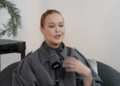
What to expect from a wellness retreat, and how wellness travel is changing, are the focus of this conversation with Karina Stewart, founder and Chief Wellness Officer of Kamalaya Wellness Sanctuary on Koh Samui in Thailand. Karina has more than 40 years of experience in the study and practice of Asian healing and spiritual traditions. She holds a Master of Traditional Chinese Medicine from Yo San University in California and a BA in Cultural Anthropology from Princeton University, with a focus on Asian religions.
Karina and her husband John Stewart opened Kamalaya in 2005. We talk about how a first-time guest should approach a retreat, why the initial consultation matters, what personalisation really means, travelling solo as a woman, how functional testing and science-based therapies have been folded into the programmes, how practitioners are chosen, and her philosophy on food.
Listen to the episode
- Listen on Omny
- Ageless Radiance Club on Apple Podcasts
- Ageless Radiance Club on Spotify
- All Ageless Radiance Club podcast episodes
Why do people go on a wellness retreat?
Karina Stewart says many guests arrive at a turning point in their lives, looking for a fresh start, and that while a retreat can reset habits, routines and metabolism, the deeper change often happens at an emotional level.
From 2:05 she explains that the founding intention behind Kamalaya was to nurture the seed in each person that expresses their life potential. Guests may not know that is what they are looking for when they arrive, she says, but it is often what they take home.
What should you expect on your first wellness retreat?
Karina’s first piece of advice is to arrive without expectations, even if you have been to other spas or retreats, so you start with a clean slate and get the most from the experience.
First, come with no expectations. What I mean by that is come with a beginner’s mind.
Karina Stewart
From 5:07 she says the most important step is the wellness consultation on arrival with a practitioner, who may be a naturopath, a nutritionist, a doctor of Traditional Chinese Medicine or a Thai traditional medicine doctor. That conversation sets the direction for the whole stay.
From 7:10 she says Kamalaya chooses practitioners for their training first, and then for having their hearts and focus in the right place.
They are the health guardians.
Karina Stewart
How personalised is a wellness programme?
Karina says that even if you have pre-booked a programme, the consultation can confirm it, tailor it, or replace it entirely if it is not the right fit for your goals and health history.
From 8:11 she explains that some treatments may be unsuitable for medical reasons, while others could add more to a guest’s stay, and occasionally a programme is built from scratch. The aim, she says, is the most effective experience possible in the time a guest has.
The most precious commodity we have is our time and our attention.
Karina Stewart
From 10:16 she describes a schedule of more than 70 holistic activities, with the practitioner suggesting which ones best support each programme. From 11:18 she says the most common fear of first-time guests is being bored, or arriving somewhere austere and strict, like an old-fashioned boot camp, and that they usually find the opposite.
Is it comfortable to go on a retreat alone?
Karina says a striking number of women tell her their stay is the first time they have travelled without a friend, partner, children or parents, and that they comment on how safe and well cared for they feel.
From 14:23 she describes a community of guests from many countries and walks of life, some just starting to explore wellness and others very experienced, with a shared table at meals for those who want company. From 16:26 she says the landscape and architecture feel embracing, so women do not feel they need to protect themselves.
From 17:28 she says authenticity is central to the culture, whoever the guest is.
We don’t have to wear a mask, we don’t have to wear armour.
Karina Stewart
Healing is hard, she says, if we are always holding up an image, so the invitation is to let your hair down and relax.
How are functional testing and science-based therapies changing wellness retreats?
Karina says functional medicine has informed Kamalaya’s programmes, cuisine and philosophy from the start, and that at the time of recording it was adding functional and genetic testing, IV therapies, a hyperbaric chamber and cryotherapy to its wellness programmes.
From 20:33 she explains that these were part of her original licensing documents with the Thai authorities around 17 years earlier, drawing on her training in the United States and a research project on detoxification with a UCLA environmental toxicologist and her mentor in Chinese medicine. Approvals took years, she says, and a planned 2020 launch was delayed by the pandemic.
From 24:37 she stresses that the aim is not to follow trends but to add to programmes that already work, so guests see more benefit in a shorter time.
Kamalaya is about depth and authenticity, and we don’t chase trends.
Karina Stewart
She also notes that since the pandemic many guests stay longer, three to six weeks rather than ten days or two weeks, because if they are going to travel they want to invest the time.
How are wellness practitioners chosen?
Karina says the core in-house team is the heart and soul of the sanctuary, and visiting international practitioners must have the right qualifications and complement what is already offered rather than duplicate it.
From 26:38 she explains that visiting practitioners usually come recommended by the team or by guests. They are interviewed, give trial treatments to senior team members, and Karina usually has the final interview or treatment herself. At the time of recording, with travel to Thailand reopening, visiting osteopaths, chiropractors, fascia specialists and Rolfers were starting to return.
Can healthy food also be a pleasure?
Karina, who calls herself an unashamed foodie, says she set out to prove that cuisine can be both health focused and genuinely enjoyable.
From 29:40 she describes two cuisines: a completely plant-based detox cuisine used for some programmes, which does not count calories, and a broader healthy cuisine for others. When I said that pleasure is one of life’s most healing elements, Karina agreed, describing pleasure of the senses as part of how guests recover from stress and burnout.
Key takeaways
- Arrive at a retreat with a beginner’s mind, even if you have been to many before.
- The arrival consultation shapes the stay and can change a pre-booked programme entirely.
- Personalisation means tailoring treatments to your goals and health history.
- Many women make a retreat their first solo trip and report feeling safe and cared for.
- Karina sees functional testing and science-based therapies as additions to programmes that already work.
- Look for practitioners who are qualified, well vetted and complementary to the core team.
- Healthy food can be pleasurable, and pleasure itself supports recovery from stress.
About Karina Stewart
Karina Stewart is the founder and Chief Wellness Officer of Kamalaya Wellness Sanctuary and Holistic Spa on Koh Samui, Thailand, which she developed with her husband John Stewart and which opened in 2005. An acclaimed speaker, author and innovator, she has more than 40 years of experience in Asian healing and spiritual traditions. She holds a Master of Traditional Chinese Medicine from Yo San University in California, followed by training in structural therapies including Hellerwork and craniosacral therapy, yoga and Taoist philosophy and practice, and a BA in Cultural Anthropology from Princeton University. Kamalaya has received more than 35 industry awards, and in 2022 was named Worldwide Health and Wellness Destination of the Year at the World Spa and Wellness Awards in London.
For more on this topic, read our guide to the future of wellness travel and our episode with Kris Abbey on well-leisure, the new way to holiday.
This conversation is general information, not medical advice. Speak to your own doctor about your situation.